
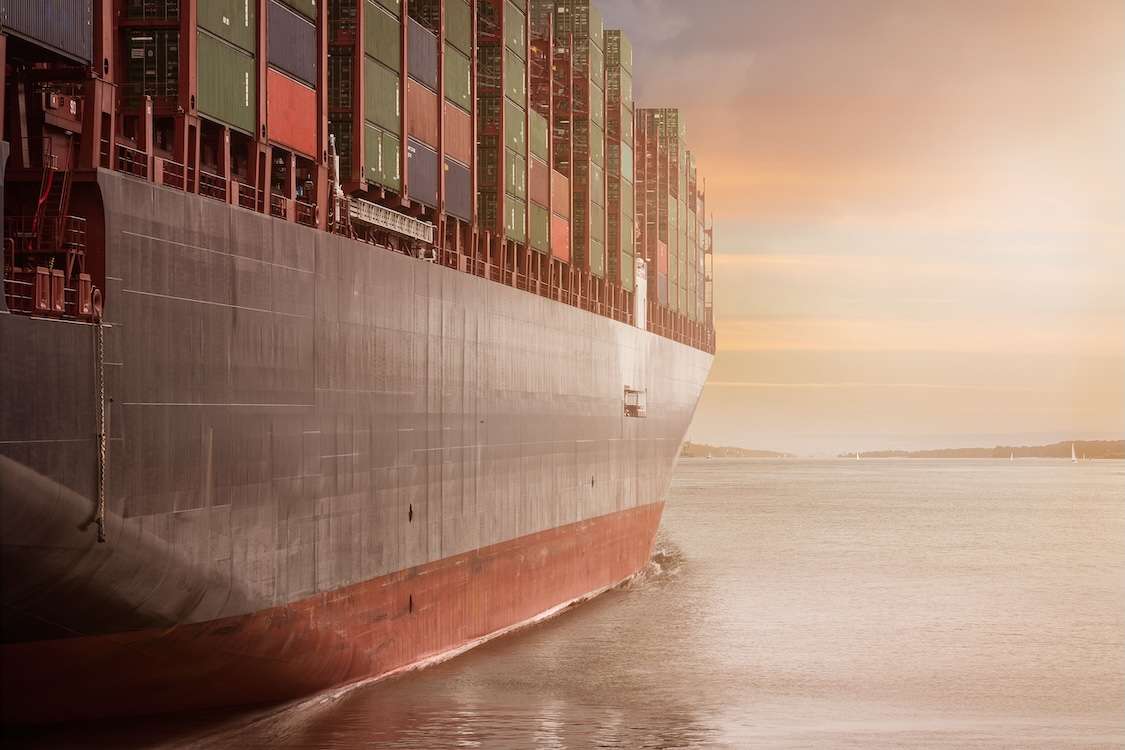

Almost everything you touch today, from the smartphone in your pocket to the sneakers on your feet, or even the grain used in your morning bread, spent weeks on a giant steel ship crossing the open ocean. Shipping is the invisible highway holding modern life together. Yet when those massive container vessels reach land, they hit a giant traffic jam.
Think of a bustling cargo port like the world’s most complicated airport parking lot. Imagine thousands of trucks trying to enter all at once, giant cranes lifting skyscraper-heavy metal boxes, and massive cargo ships waiting in line for a spot at the dock. Until recently, human planners had to coordinate all this using clipboards, spreadsheets, and manual phone calls. A single storm or engine breakdown halfway across the world would throw the entire week into chaos. When ships sit stuck waiting outside a port, shipping companies rack up tens of thousands of dollars an hour in penalty fees, and those extra expenses trickled straight down into higher price tags at your local corner store.
At the HUAWEI CONNECT 2026 conference in Shanghai a month back, terminal operators and software engineers unveiled a fresh way to solve this headache. Instead of building bigger docks or pouring endless concrete, ports are adopting practical artificial intelligence that functions like an air traffic control tower for shipping docks.
Replacing Chaos With Real-Time Coordination
When people hear about artificial intelligence in ports, they usually picture self-driving trucks or robot cranes. But having a few robot vehicles does not help if nobody knows where to park the ship next. This was known as single-spot automation: one machine worked fast, but the rest of the dock still ran on guesswork.
The latest planning software connects every moving part into one shared system. Think of it like a smart map app on your phone, but scaled up for heavy international logistics. It balances where ships pull in, which cranes unload them, how trucks move through the yard, and where boxes stack without blocking each other. What used to take human schedulers several hours of intense number crunching can now happen automatically in just a few minutes. Even better, managers can build realistic operational schedules a full month ahead instead of scrambling to react day by day.
Safety is getting the same upgrade. Cargo yards are loud, busy, and dangerous places where three-story machines work alongside ground crews. In the past, security teams mainly reviewed camera footage after an accident happened to figure out what went wrong. Modern computer vision cameras mounted sixty feet up now watch over active yards in real time. They act like an extra pair of watchful eyes, immediately alerting teams if a piece of cargo is wobbling, if equipment is jammed on a conveyor line, or if a worker wanders too close to moving heavy machinery.
Why This Matters Across the Global South and APAC
This quiet tech shift is a massive deal for developing economies across Southeast Asia, South Asia, Africa, and Latin America. In many fast-growing trade centers, like the busy Port of Douala in Cameroon, ports simply cannot grow outward. They are pressed tightly against crowded coastal cities, hemmed in by shallow river channels, and working at peak capacity.
Building brand-new deep-water harbors costs billions of dollars and takes a decade or more. Most growing regions simply cannot wait that long. The smart systems introduced this year can be installed directly into existing, older container yards without tearing up the pavement or replacing every vehicle.
When regular human-driven trucks and automated carriers share the same yard smoothly, gates process incoming delivery trucks in eighteen seconds instead of sitting idle for minutes with running diesel engines. Trucks burn far less fuel, drivers finish their shifts without exhausting traffic delays, and ships clear their cargo days faster.
Connecting Oceans to Inland Rivers
The benefits do not stop at the coastline. Much of the world’s cargo must move further inland by river barge or freight train to reach inland communities. Along major river networks like China’s Yangtze River corridor, intelligent waterway systems now track river locks, dry storage warehouses, and train links together. By synchronizing inland locks with coastal sea docks, operators avoid sudden surges in river traffic.
When ports and transport networks talk to each other through shared data, global trade becomes far more dependable for everyone. Fewer delays on the water mean lower shipping costs, more reliable shelves at your local grocery store, and cleaner air around busy port cities. It turns out the smartest way to keep world commerce moving is not just building bigger docks but helping existing ones think faster together.
###

Dr Seamus Phan is head of content at Microwire.news (aka microwire.info), a content outreach and amplification platform for news, events, brief product and service reviews, commentaries, and analyses in the relevant industries. Part of McGallen & Bolden Group initiative. Copyrights belong to the respective authors/owners and the service is not responsible for the content presented.