

What To Know
- During this time, an active person may have caused a lot of damage to their cartilage, but their joint has not yet reached a point where it is permanently and widely damaged.
- With such a holistic approach, all the joints are seen as synergistic parts of a system, from the cartilage surfaces to the ligaments that keep them stable.
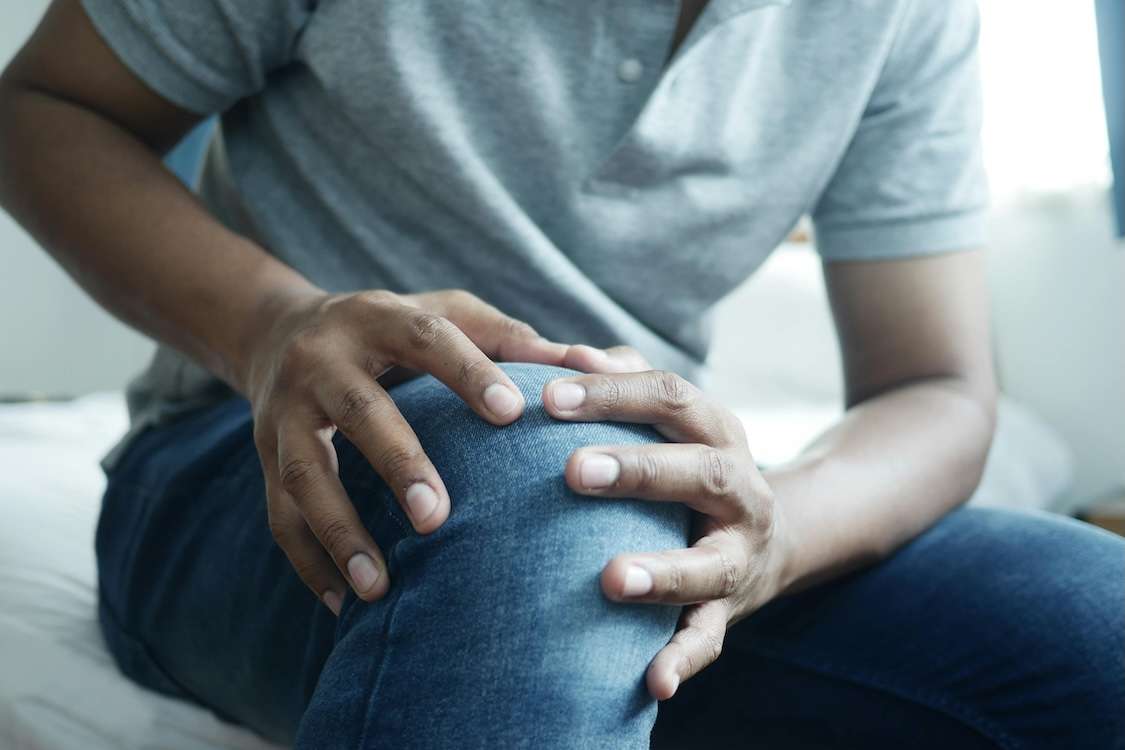
Many active adults give up when they first notice their knee “clicking” all the time or their hip being stiff. In conventional orthopedic discourse, joint damage was frequently perceived as an unavoidable progression toward a significant surgical resolution: total joint replacement. Replacements are still a big part of modern medicine, but they really mean the end of the “natural” joint.
A new approach is taking hold with the establishment of the Oxford Cartilage & Sports Centre, part of Oxford Orthopaedics, thanks to a practitioner who is bridging the gap between the lab and the operating room.
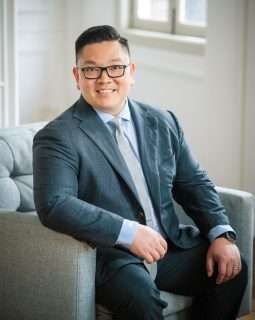
Dr. Francis Wong Keng Lin is a unique figure in the local medical field. He is Singapore’s only orthopedic surgeon-scientist with a PhD in cartilage regeneration research. He can bring together a lot of scientific knowledge and clinical experience because he has done both high-level academic research and worked in a clinical setting. This means that treatment plans for patients are not just based on what has always been done but also on the quickly growing field of biological repair and regenerative medicine.
Dr. Wong’s extensive background demonstrates the usefulness of this “surgeon-scientist” model, including more than 85 peer-reviewed papers, a Hirsch index of 27, and over 2,400 citations worldwide. Dr. Wong has performed more than 500 successful cartilage repair and regeneration procedures. With a combination of clinical practice, surgeries, and rigorous academic research, Dr. Wong demonstrated a passion for his craft and his pursuit of the best outcomes for patients.
A Multitude of Treatment Options
For many years, the simplicity of the microfracture method led to its widespread use. It involved making small holes in the bone to get the body to heal itself. However, recent studies have shown that this method has some big problems. Microfracture can help the body heal, but it usually makes fibrocartilage instead of the smooth, strong hyaline cartilage that is normally found in the body. Fibrocartilage is a type of “scar tissue” cartilage, certainly not quite on the same level as natural cartilage. Fibrocartilage may provide temporary relief, but it does not possess the long-term resilience of native cartilage and may induce alterations in the bone that complicate subsequent treatments.
Dr. Wong leverages modern international thinking that puts modern biological strategies first. Some of his techniques include scaffold-based repair and therapies, using bone marrow to regenerate new tissue. The goal of scaffold-based techniques is to restore the joint’s function by using its own natural potential and not just treating the symptoms. Such procedures use specialized scaffolds to guide tissue growth or non-surgical orthobiologics such as Bone Marrow Aspirate Concentrates (BMAC). BMAC is a regenerative procedure that leverages patients’ own stem cells, growth factors, and platelets to promote healing and recovery in injured tissue.
The “Golden Window” to protect joints
In the orthopedic circle, the “Golden Window” may be when a patient is in their 30s to 50s. During this time, an active person may have caused a lot of damage to their cartilage, but their joint has not yet reached a point where it is permanently and widely damaged. If intervention occurs during this specific window, regenerative techniques can preserve the native joint.
This specialized care and holistic approach are designed for active adults and go beyond just repairing cartilage. Advanced meniscus surgery preserves the meniscus instead of removing it. Complex ligament repair may supplement such regenerative treatments. With such a holistic approach, all the joints are seen as synergistic parts of a system, from the cartilage surfaces to the ligaments that keep them stable.
###

Dr Seamus Phan is head of content at Microwire.news (aka microwire.info), a content outreach and amplification platform for news, events, brief product and service reviews, commentaries, and analyses in the relevant industries. Part of McGallen & Bolden Group initiative. Copyrights belong to the respective authors/owners and the service is not responsible for the content presented.