
What To Know
- As the lines between the real and the virtual continue to blur, the XReal 1S makes its dent in this journey through a radical shift—price.
- The XReal 1S seems to be based on the idea of “spatial sovereignty,” which means that a user shouldn’t have to be tied to a specific location or a rigid monitor to be productive or fully immersed in a movie.
AR (augmented reality) has experienced fluctuations, with some large vendors offering products that promise certain functionalities, often at exorbitant prices. Over time, both new and established vendors have persistently ventured into the realm of AR and VR products. But except for the privileged few, AR and VR didn’t become mainstream. Could the affordable XReal 1S change the tide?
In the big picture of how technology changes over time, going from fixed planar surfaces to fluid spatial environments is more than just a better display; it’s a big change in how people interact with the digital world. As the lines between the real and the virtual continue to blur, the XReal 1S makes its dent in this journey through a radical shift—price.
The XReal 1S seems to be based on the idea of “spatial sovereignty,” which means that a user shouldn’t have to be tied to a specific location or a rigid monitor to be productive or fully immersed in a movie. By looking at the specifications and how this device is positioned strategically, you can see that the goal is to make spatial computing more accessible through precise engineering and design that focuses on people.
The X1 Silicon: Building Spatial Sovereignty
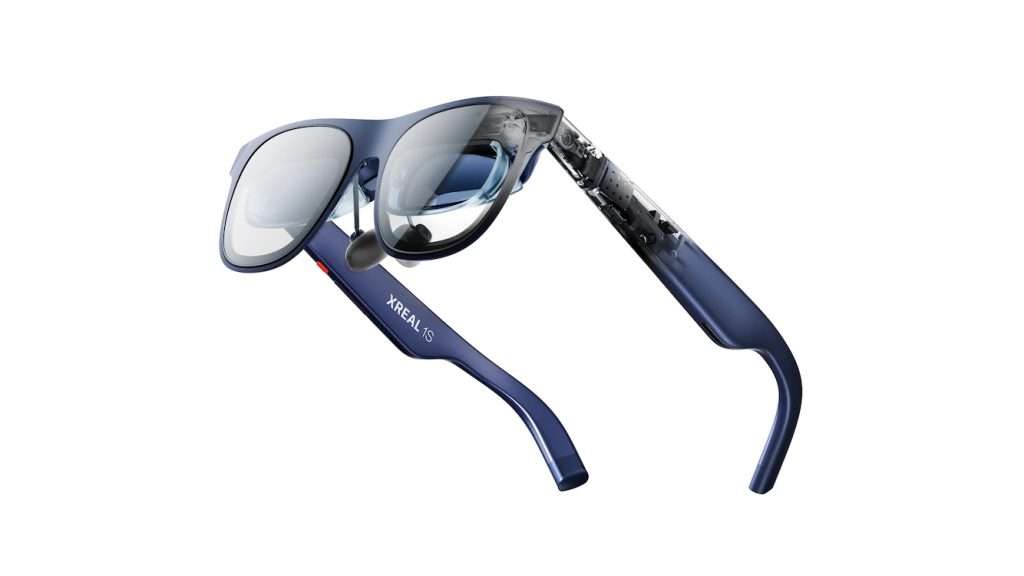
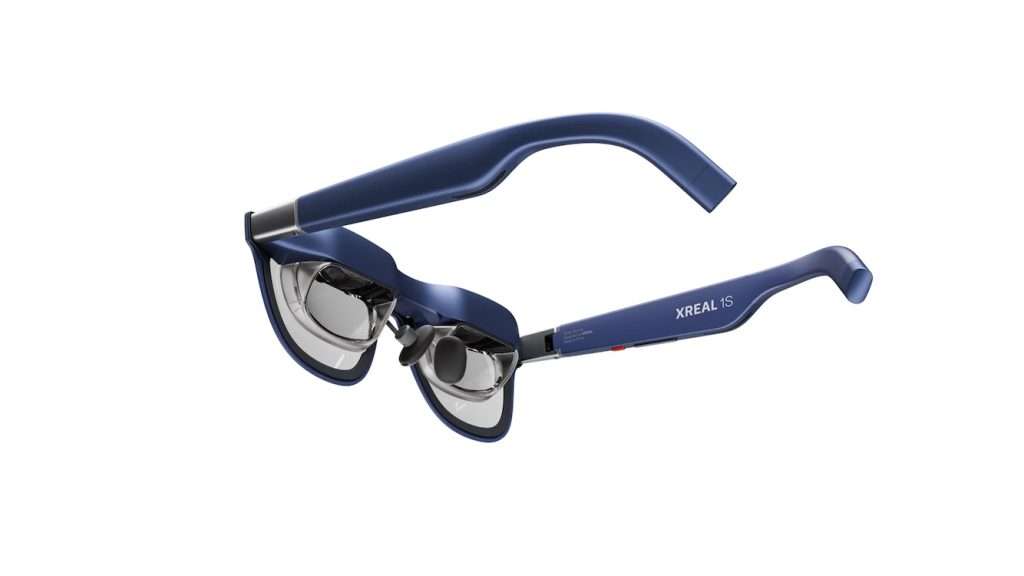
The X1 Spatial Chip is the world’s first self-developed spatial computing chip made just for AR glasses. It is the most important part of the XReal 1S. Latency has always been the biggest problem in AR. The Motion-to-Photon (M2P) latency is the time it takes for the virtual image to change after the user moves their head. This latency is the difference between a smooth experience and physical discomfort.
The XReal 1S fixes these issues by having a built-in 3DoF (three degrees of freedom) engine right in the silicon. The device has a reported latency of 3 ms, which means that it reduces the lag that usually comes with software-based spatial solutions. This optimization at the hardware level keeps the virtual environment stable and anchored, which is like how real objects behave in a 3D space. For the strategist or the mobile professional, this technical achievement means that the digital world feels more stable than experimental.
Optic Fidelity: A 500-Inch Proscenium
The XReal 1S’s visual power comes from its ability to project a virtual screen that can be as big as 500 inches. It’s not just size; it’s also clarity and density. The device has a 1200p HD resolution, which gives it a level of sharpness that is on par with high-end traditional monitors.
With a peak perceived brightness of 700 nits and a refresh rate of up to 120 Hz, the visual narrative is one of fluidity and vibrancy. The 52-degree Field of View (FOV) is a calculated “sweet spot,” intended to balance expansive scale with edge-to-edge sharpness. This optical configuration allows for a multi-window workflow or a cinematic viewing experience that remains crisp, even when the virtual display is expanded to its maximum dimensions. The 120 Hz global high refresh rate is especially important because it makes sure that fast-moving objects, whether in a complex data visualization or an action-packed movie, are shown without the stuttering that can break immersion.
The Sound and Comfort Connection
To really be immersed, you can’t just look at something; you have to use all of your senses. The XReal 1S has “Sound by Bose,” which brings a long history of outstanding sound quality to the world of spatial computing. The sound system is made to go along with the visual scale, creating a soundstage that matches the 500-inch virtual screen. This partnership demonstrates their dedication to delivering a high-quality sensory experience, with sound as clear as the pixels.
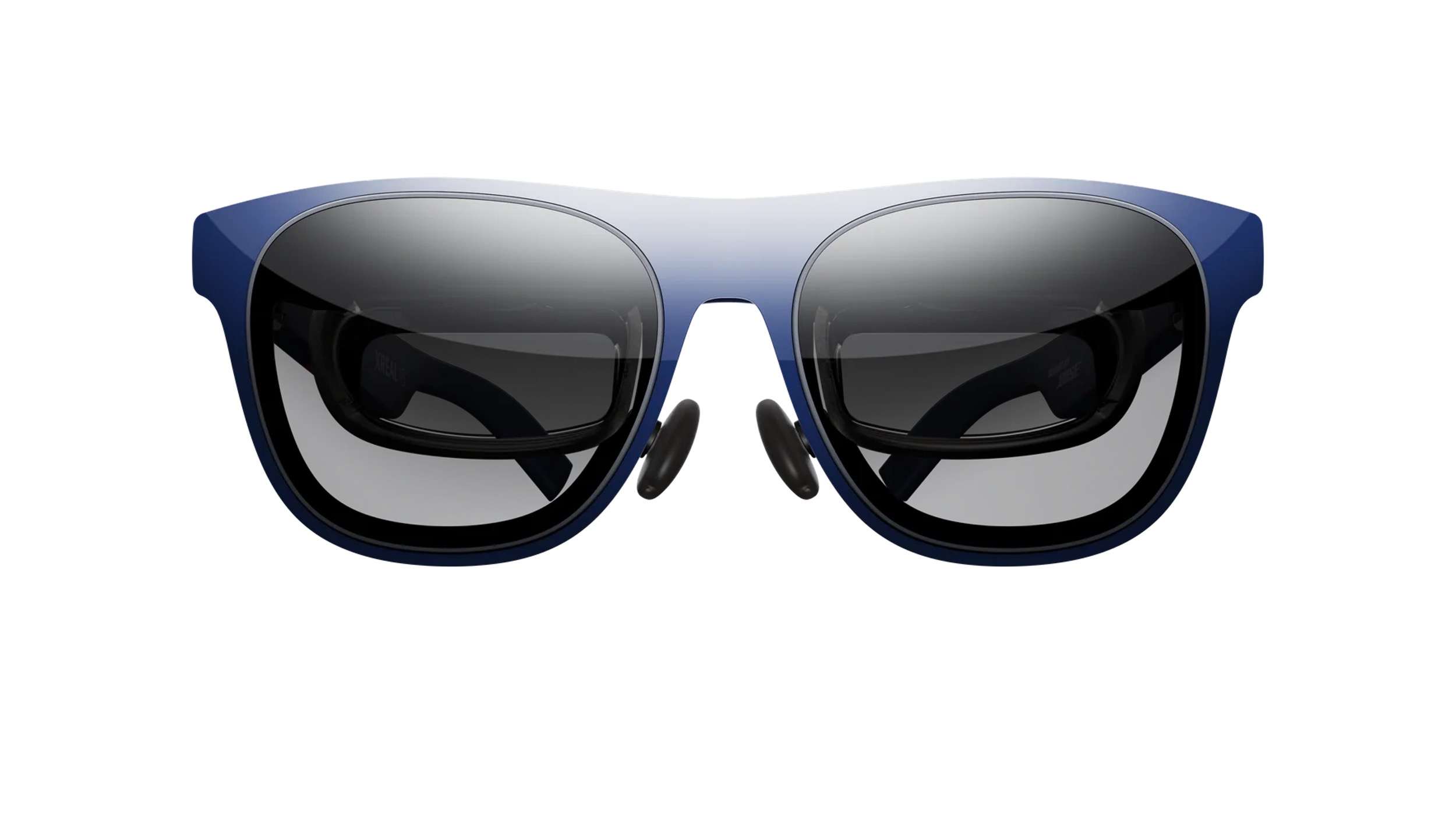
The design of the 1S also shows that the designers thought about the long-term user. The device has received TÜV Rheinland Eye Comfort certification, which means it meets important standards for low blue light, flicker-free operation, and color accuracy. In a time when digital eye strain is a common problem at work, these certifications are more than just marketing gimmicks; they are necessary for any tool that will be used for a long time at work or at home. The introduction of the “Cobalt” colorway also adds an element of aesthetic sophistication, moving the device away from the “gadget” look and toward the realm of high-end eyewear.
The 1S Ecosystem
The XReal 1S extends its usefulness through the XReal ecosystem, which includes the Beam Pro. This synergy lets the glasses change from a simple display into a full-fledged spatial workstation. Real-time 3D spatial conversion lets you turn regular 2D content into 3D content, giving you a new way to look at old media and apps.
From a business perspective, the 1S is a slim but useful way to get into the “Spatial Computing” category. It has all the important features of high-end AR, like native 3DoF, high-resolution optics, and low-latency processing, but it doesn’t have the extra complexity that often makes people not want to use it. It is a tool made for the “anywhere worker” and the modern digital shopper who wants both performance and portability.
A new AR standard perhaps?
The XReal 1S is a sign of how far AR technology has come as we look to the future of digital interfaces. XReal has made a device that changes the way we think about personal displays by focusing on the four main pillars of spatial computing: latency, optics, audio, and comfort. The 1S invites you to leave the limits of the traditional screen behind and enter a world where the whole environment can be a place to be creative and get things done. It is a high-tech bridge to the future of space, built for people who want the best in every pixel and sound.
###

Dr Seamus Phan is head of content at Microwire.news (aka microwire.info), a content outreach and amplification platform for news, events, brief product and service reviews, commentaries, and analyses in the relevant industries. Part of McGallen & Bolden Group initiative. Copyrights belong to the respective authors/owners and the service is not responsible for the content presented.