

What To Know
- By offering a high-performance full-frame sensor and retaining the legendary Leica M-mount, the Pixii Max delivers a genuine M-system experience at a fraction of the cost, ready to take on the established M cameras.
- These lenses, often sold at a fraction of the cost of their German equivalents, can be used natively on the Max, allowing photographers to build an expansive, sharp, and fast lens kit without breaking the bank.
For decades, the name Leica has been synonymous with the digital rangefinder—a unique photographic experience prized by purists for its compact size, tactile controls, and unparalleled lens ecosystem. Yet, this exclusivity comes with a famously high price tag. Enter the Pixii Max, a full-frame camera from the French startup Pixii that doesn’t just borrow from the rangefinder tradition but reinvents it for the modern purist. By offering a high-performance full-frame sensor and retaining the legendary Leica M-mount, the Pixii Max delivers a genuine M-system experience at a fraction of the cost, ready to take on the established M cameras.
The Max: Full-Frame Meets Minimalist Design
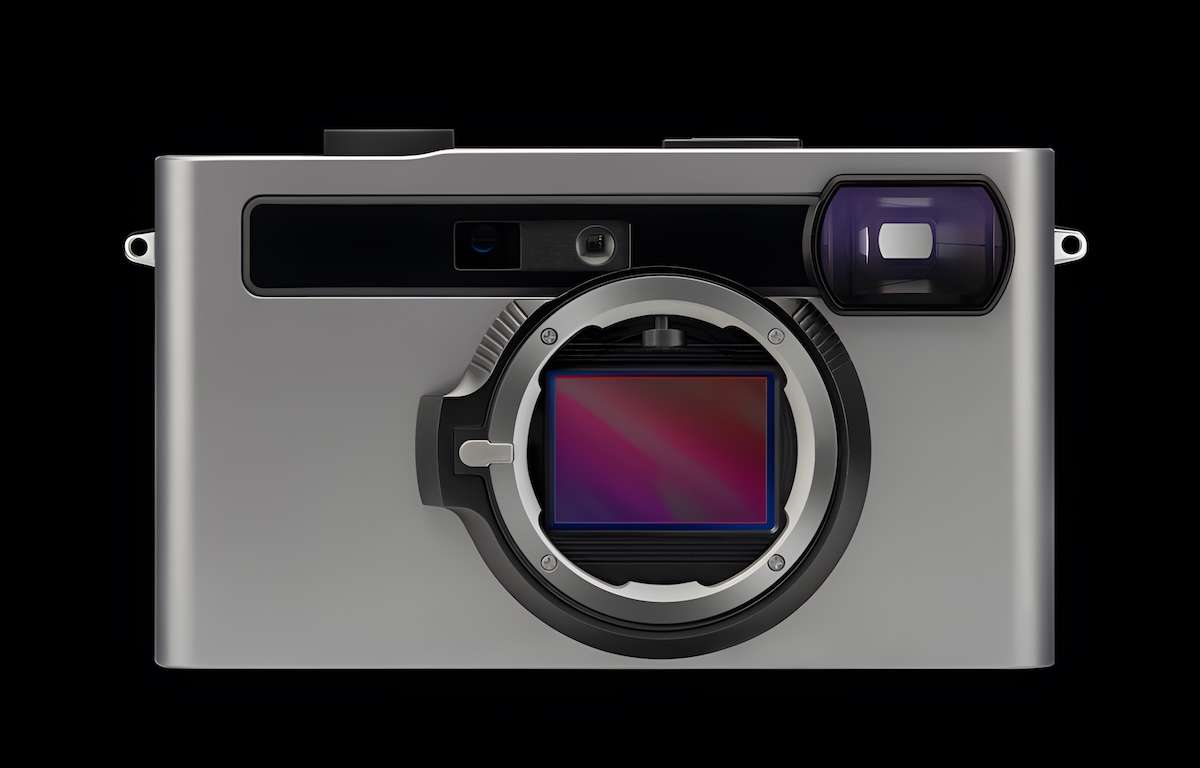
The Pixii Max represents a significant leap for the company, moving from the APS-C format of its predecessors to a large 24.5-megapixel full-frame BSI CMOS sensor. This back-illuminated sensor is a clear step forward in image quality, offering competitive performance against other high-end full-frame systems. Indeed, in rigorous testing, the Max’s sensor scored higher than the widely respected, though now aging, 24MP Leica M10, delivering superior color depth and dynamic range. While it remains more affordable than the newest 60MP Leica M11, the Pixii Max offers a performance sweet spot that makes it a highly attractive option for serious photographers.
Housed in a gorgeously compact, dual-block machined aluminum body, the Max embodies a minimalist, purist approach. It’s slightly smaller and noticeably lighter than many of its competitors, a true stealth camera perfectly suited for street photography.
For the Purist
What truly defines the Pixii Max is its dedication to the traditional rangefinder workflow, blending it seamlessly with modern connectivity. Like classic film cameras and Leica M-Ds, the Pixii Max boldly omits a rear LCD screen. Instead, the focus shifts entirely back to the optical viewfinder (OVF) and the moment of capture.
The OVF itself is a technological marvel. It features a bright, high-magnification optical rangefinder for precise manual focusing, but, crucially, it’s interactive. This means that key settings like shutter speed, ISO, and exposure compensation are displayed via backlit LEDs directly within the viewfinder, allowing the photographer to manage controls without ever taking their eye from the scene. Shutter speed control, limited to an electronic shutter that goes up to a blazing quick 1/32000th of a second, is handled via a tactile top-plate selector.
For image review and advanced settings, the camera leverages its modern brain: a 64-bit quad-core processor and integrated Wi-Fi and Bluetooth connectivity. Images, saved onto the internal memory (available in 32GB or 128GB options), are beamed to the companion smartphone app. This wireless connection enables quick review and sharing, balancing the pure analog feel of shooting with the digital convenience of immediate image processing. Furthermore, the Pixii Max offers a dedicated native monochrome DNG mode, appealing directly to photographers who appreciate the art of black-and-white and desire a pure, raw monochrome file straight from the sensor.
The M-Mount Ecosystem: Value and Variety
Perhaps the most compelling argument for the Pixii Max is its adoption of the universal Leica M lens mount. This single feature transforms the Pixii Max from a niche alternative into a versatile gateway to one of photography’s most celebrated lens libraries. Leica M lenses are famed for their optical excellence, but the Max’s full-frame sensor ensures compatibility with *all* M-mount glass, including a wealth of exceptionally great value lenses from third-party manufacturers.
This is where the financial savings truly materialize. Photographers gain access to stellar optics from brands like Voigtlander and Zeiss, which offer superb modern and classic renditions of M-mount lenses. Moreover, a new generation of affordable, high-quality M-mount glass from companies such as 7Artisans, Zhong Yi, TTArtisan, Meyer-Optik Gorlitz, and Laowa further democratizes the system. These lenses, often sold at a fraction of the cost of their German equivalents, can be used natively on the Max, allowing photographers to build an expansive, sharp, and fast lens kit without breaking the bank.
The Junior Cousin: Pixii+
While the Max carries the flagship banner, its junior cousin, the Pixii+, remains an important part of the lineup. The Pixii+ utilizes a 26MP APS-C sensor but shares the same minimalist design language, M-mount compatibility, and interactive rangefinder experience. Positioned at an even lower price point, the Pixii+ offers an excellent introduction to the digital M-mount world and the purist, screenless rangefinder philosophy, making the Pixii system accessible to a wider audience.
The Verdict: A Compelling Challenge to the Status Quo
The Pixii Max isn’t trying to be a budget Leica; it’s staking its claim as a modern, high-performance digital rangefinder. It effectively provides the main benefits of the M-system—the optical rangefinder, the full-frame sensor, and compatibility with the M-mount system—while also including modern digital features like a connected app and built-in storage. For the photographer craving the classic rangefinder experience and the tactile joy of manual focus but who finds the price of a new Leica M camera prohibitive, the Pixii Max offers a compelling, cutting-edge, and much more affordable alternative. It’s an independent camera that gives the king of rangefinders a serious run for its money.
###